ACT-KA-000208 · Rev. 1 · Commercial Impact

Charter party implications of CII
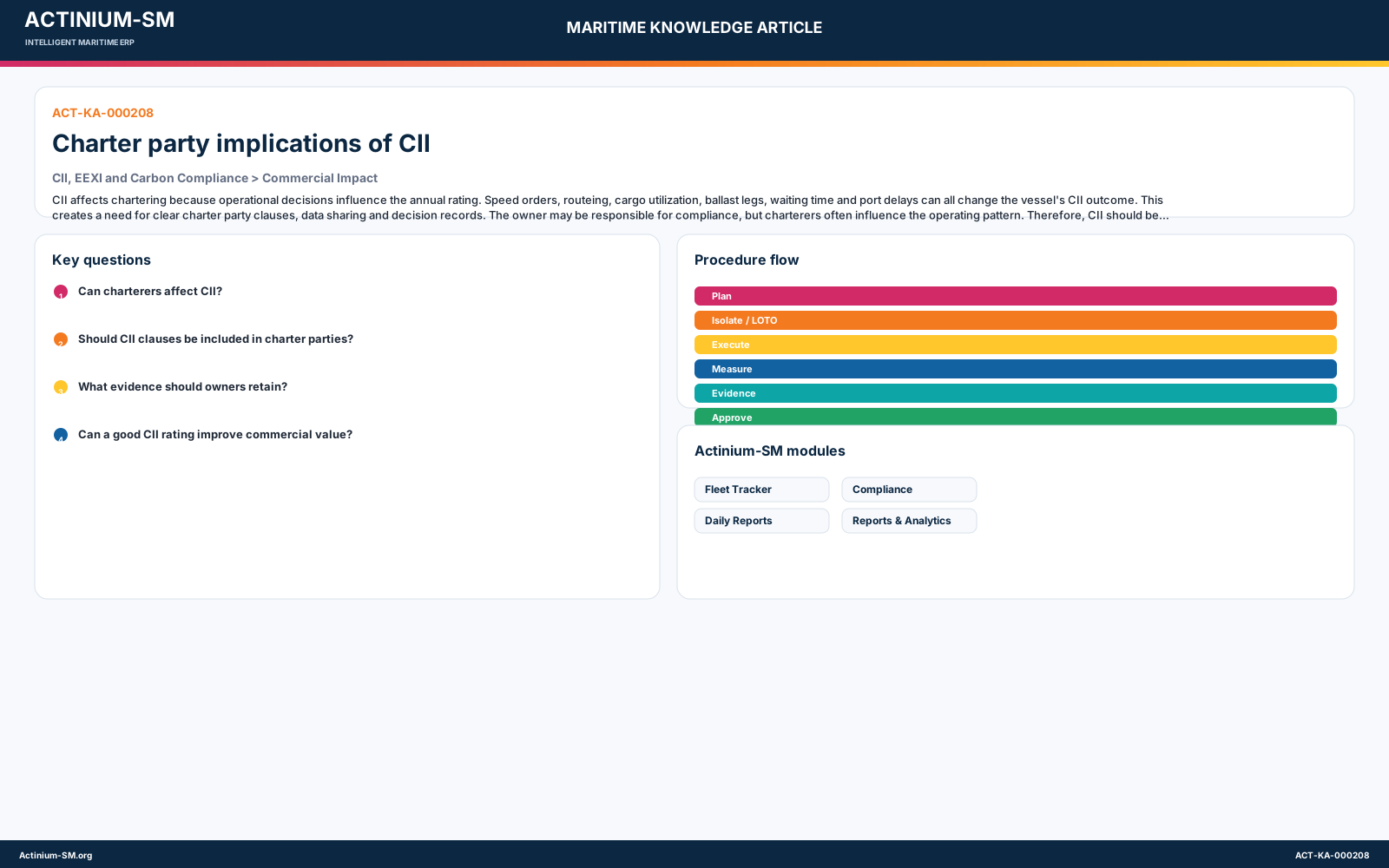
CII affects chartering because operational decisions influence the annual rating. Speed orders, routeing, cargo utilization, ballast legs, waiting time and port delays can all change the vessel's CII outcome. This creates a need for clear charter party clauses, data sharing and decision records. The owner may be responsible for compliance, but charterers often influence the operating pattern. Therefore, CII should be discussed before fixtures and reviewed during voyages.
Difficulty: IntermediateReviewed: 2026-07-24
CII charter partyCII clausesvoyage ordersspeed instructionscommercial impact
Charter party implications of CII — Actinium-SM knowledge graphic
Knowledge graphic · ACT-KA-000208

Frequently Asked Questions

Can charterers affect CII?

Yes. Charterers may influence speed, route, employment pattern, waiting time and cargo schedule, all of which can affect fuel consumption and transport work.

Should CII clauses be included in charter parties?

For vessels in scope, it is prudent to include clauses covering data sharing, speed instructions, rating impact, cooperation, corrective actions and allocation of consequences where applicable.

What evidence should owners retain?

Retain voyage orders, speed instructions, weather routeing advice, deviation approvals, waiting records, port delay evidence and CII impact communications.

Can a good CII rating improve commercial value?

It can help. Some charterers, financiers and customers prefer better emissions performance, especially where ESG reporting or cargo-owner requirements are important.

Technical Explanation

CII creates a shared operational-commercial interface. Poor planning can move a vessel from B/C into D/E even when the ship is technically sound. The strongest controls are: • Pre-fixture CII impact review. • Speed and routeing instructions aligned with rating targets. • Agreed handling of waiting and schedule recovery. • Transparent data sharing between owner and charterer. • Monthly rating forecast review. • Corrective action cooperation if rating risk rises.

Checklists

• CII clause reviewed before fixture • Vessel's current and forecast rating shared internally • Speed/consumption warranties aligned with CII assumptions • Waiting and deviation evidence retained • Charterer instructions logged • Commercial decisions escalated when D/E risk appears

Practical Case Studies

A vessel forecast is close to D rating. A charterer requests high-speed schedule recovery after port delay. The operations team simulates the CII impact and proposes a revised ETA plan that reduces fuel exposure while still meeting cargo constraints. The decision and assumptions are recorded.

KPI Monitoring

• Charter voyages with CII impact review • High-speed instruction events • Waiting days by charter • CII margin by vessel • Commercial exceptions approved

Related Actinium-SM Modules

• Voyage CII forecast • Decision log • Charterer instruction evidence • Fleet rating dashboard • SEEMP action linkage
  • Voyage CII forecast
  • Decision log
  • Charterer instruction evidence
  • Fleet rating dashboard
  • SEEMP action linkage
Fleet TrackerComplianceDaily ReportsReports & Analytics

References

• IMO CII framework for annual rating. • BIMCO and industry guidance themes on CII clauses, cooperation and data transparency.

Use Actinium-SM to make CII impact visible before commercial decisions become year-end rating problems.

Turn encyclopedia knowledge into executed jobs, evidence, and audit-ready records.

Last review: 2026-07-24